RESTAURANT REVIEW: ChòpnBlọk
Disclaimer: I don't have a ton of experience/knowledge when it comes to West African cuisine, but that's never stopped me before, so I'm going to power through it.
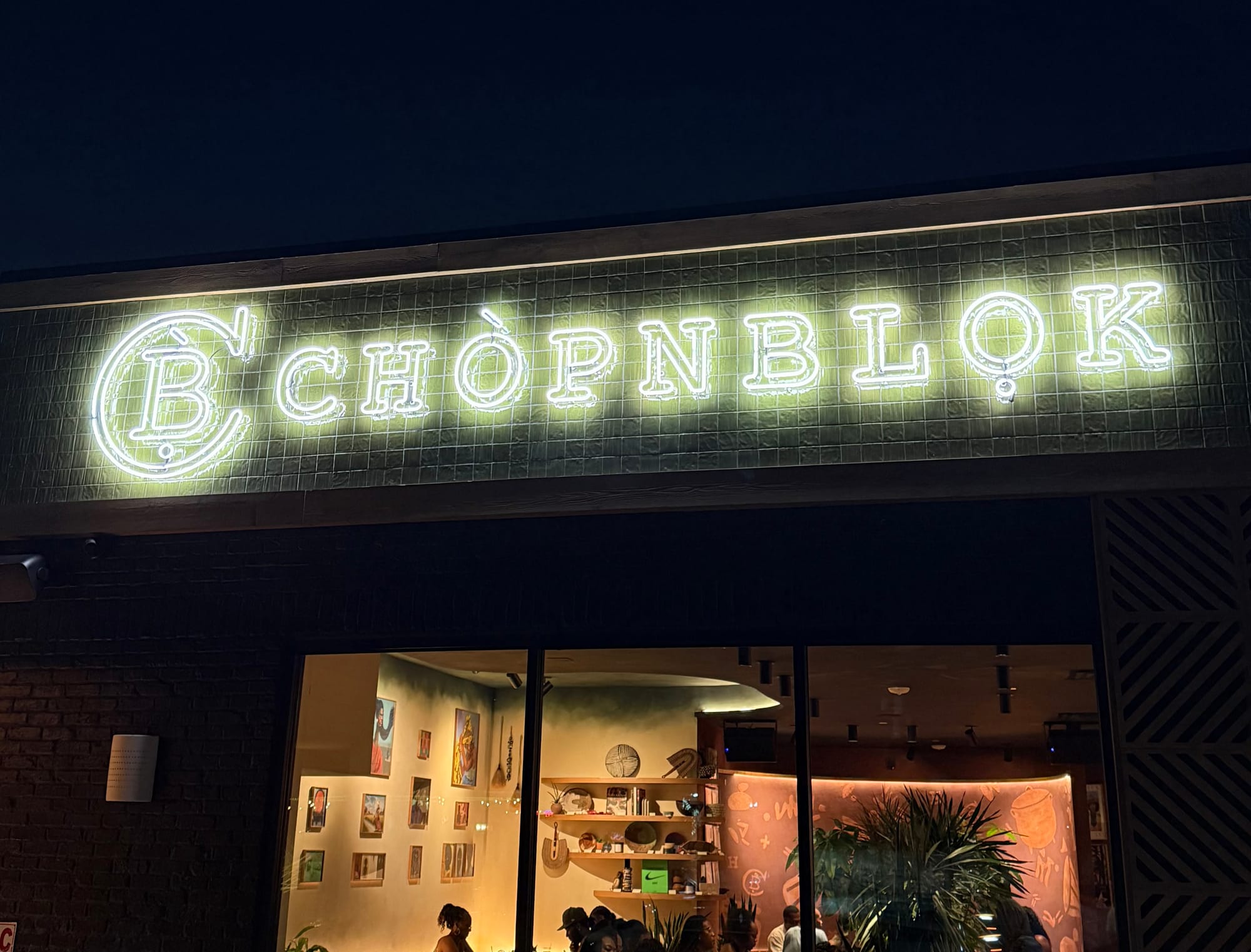
African food in general is a bit of a blind spot for me, though I've dabbled a bit more in Ethiopian/East African (Blue Nile), South African (R.I.P. to the incredible Peli Peli), and Egyptian/North African. I visited ChòpnBlọk's original location in the POST Houston food hall a few years ago, but this was my first time at the brick in mortar in Montrose that opened last year. Helmed by Ope Amosu (a 2025 James Beard semifinalist for Best Chef: Texas), this falls somewhere between elevated fast casual and specialized neighborhood establishment.
The space exudes African diasporic design: from colorful green and yellow tiles lining the walls and tables, to custom tribal wallpaper, to artwork and books from the region in question, there definitely isn't any mistaking what type of restaurant you are in. Background afrobeats and some 90's hip hop and R&B added to the ambiance. The layout is slightly odd, as the host stand is all the way at the back when you enter, leading to quite of a bit of confusion whenever a new group would enter. It seems like there may be counter ordering at slower times of the day, but on a packed Friday night waiters serviced the tables and the long bar.
The menu is fairly simple, some starters, a selection of entree-sized bowls, and a few salads. Grilled meat skewers are one of the best foods that you can find almost anywhere in the world, from satay to yakitori to souvlaki to shish kebabs, and the suya here are no exception. Called "Polo Club Suya" on the menu, these exquisitely tender hunks of juicy beef are rubbed in a yaji peanut pepper spice blend, which brings a delightful heat element. My only complaint was that the lovely pickled red onions on the plate were very stingily portioned. I could have eaten an entire pile. Otherwise, an absolutely world-class appetizer.
I also tried the not-so-creatively named "Chips & Dip", which were fried plantain strips served with Liberian greens. While I've been trained from years of eating at Churrascos to expect a chimichurri-type dip with plantain chips (and this did look the part), these were stewed collared greens that had a much earthier flavor. Tasty, but I would have preferred a squeeze of lemon to give it a bit more acidity and balance (though, again, I'm no expert, so for all I know this was absolutely perfectly executed).
The bowls generally include some type of rice, sweet plantains, a curry or sauce, and a choice of protein (shrimp, chicken, or beef, though some dishes steer you towards one of these options). A standout, and quite frankly must-try, is the "Golden" bowl, with smoky jollof rice (perhaps THE quintessential African food item) and a delicious spicy curry. I'm assuming the name comes from the color of the sauce, as the combination of onions, peppers, and coconut milk comes out with a gorgeous yellowish hue. Add in some stewed sweet plantains and juicy, well-seasoned grilled chicken, this ticks every flavor box you can imagine.
I've tried jollof rice and somewhat similar curries to the above at other places, but it's not too often that I get to try a completely new food (one fairly recently that comes to mind was when my cousin introduced me to okonomiyaki at Gaijin in Chicago). That being said I've never had maafe before, and in fact really only learned about this Senegalese peanut stew in the last year or two watching a chef make it as their signature dish on Beat Bobby Flay. Despite being somewhat peanut-averse, I had to try ChòpnBlọk's version, called "Aunty Mawa's Maafe". The curry did of course have a prominent nutty flavor, but it was surprisingly tempered by tomatoes, onions, and aromatic herbs and spices. Served with an enormous portion of waakye (a Ghanian fried rice with a deep reddish color from dried red sorghum leaves) and some crunchy fried kale on top, the plate came together very nicely. If I had to pick one I would still go with the Golden, but if you're feeling adventurous this is definitely worth a try.
There are a handful of other bowls worth mentioning: "Buka" with its short rib braised in a tomato stew, and "Black Star": Ikoyi shrimp and yassa curry made from onions, dijon mustard, lemon juice, and chili. There's only one dessert on the menu, a plantain bread which I did not get a chance to try.
Of course there are drinks as well: of particular note are the frozen options, such as the "Irie Punch" with rum, falernum, banana, lime, pineapple, and blackberry. The color was a deep reddish-purple and it had a refreshing tart taste, perfect for a hot August night. You can also get a Nigerian Star Lager if you're so inclined.
Overall this is an extremely Houston restaurant, in the best of ways. West African cuisine may not be on your radar, but I highly recommend everyone who has an interest in experiencing different cultures to try this. It expanded my culinary horizons, and even if it's not your cup of tea, I think it's important to support efforts like this that continue to push forward the food diversity of our city.
RANKING UPDATE: Added this to the Honorable Mention section of my Houston Restaurant Guide, as African cuisine was not really represented yet.
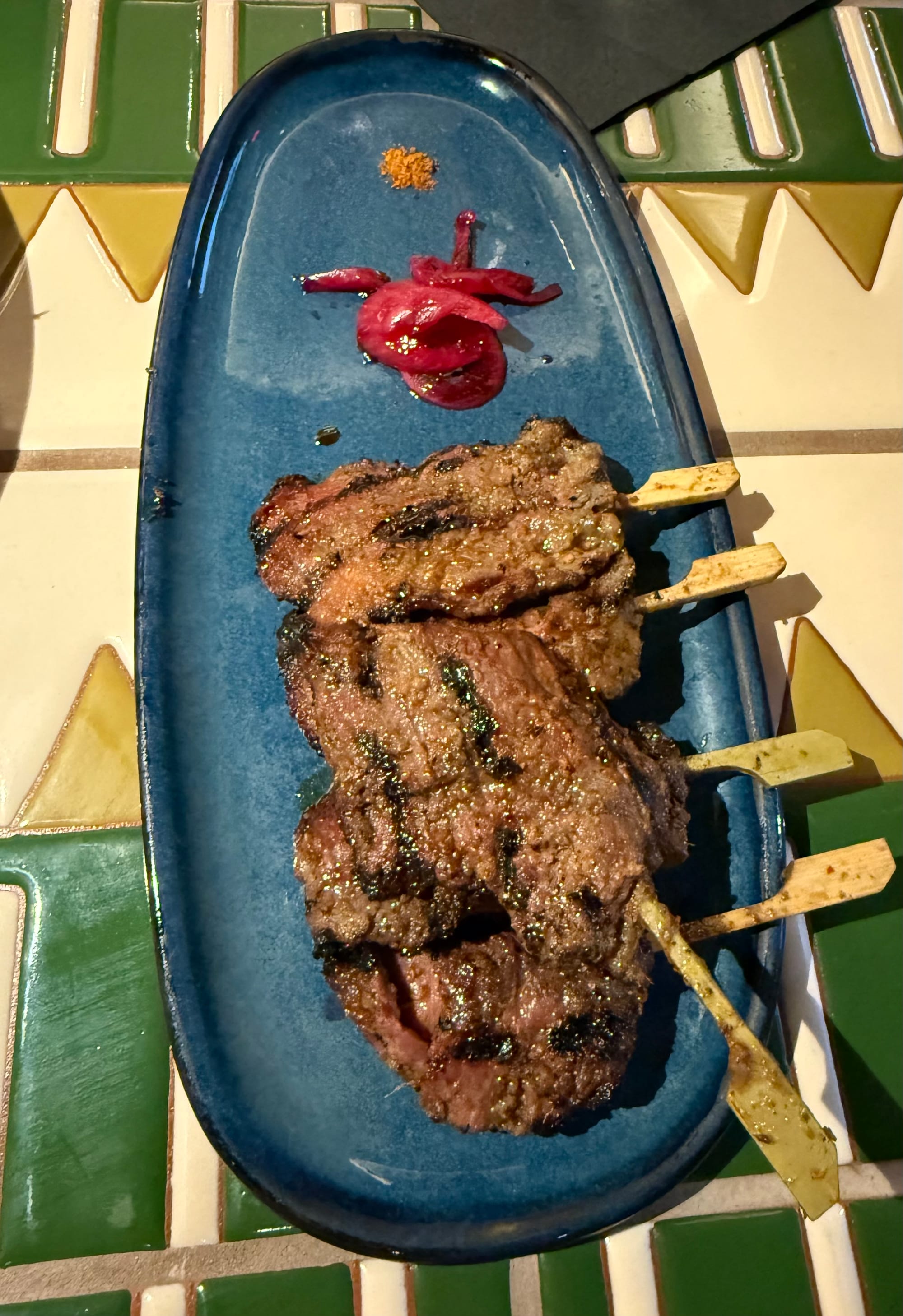
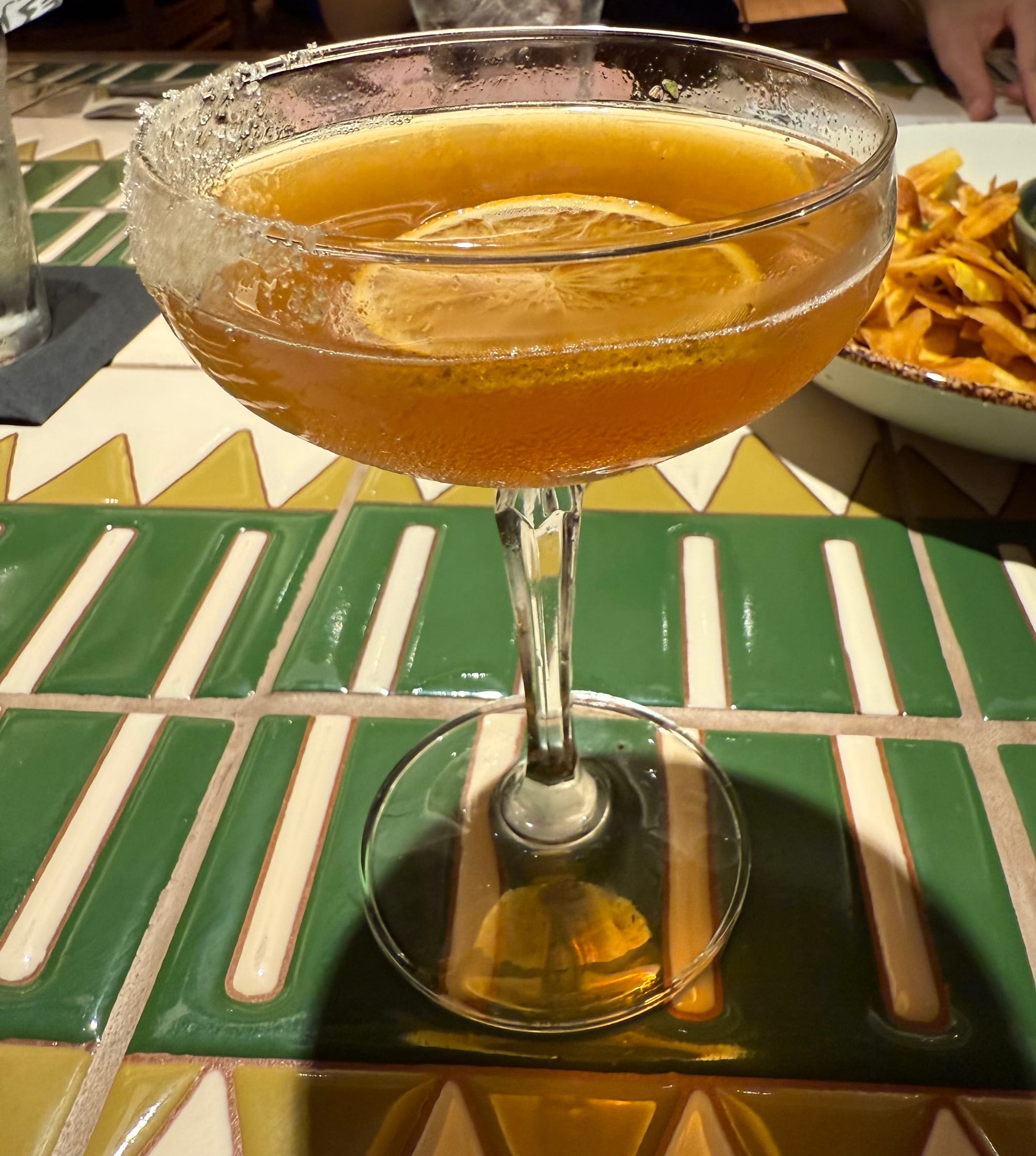
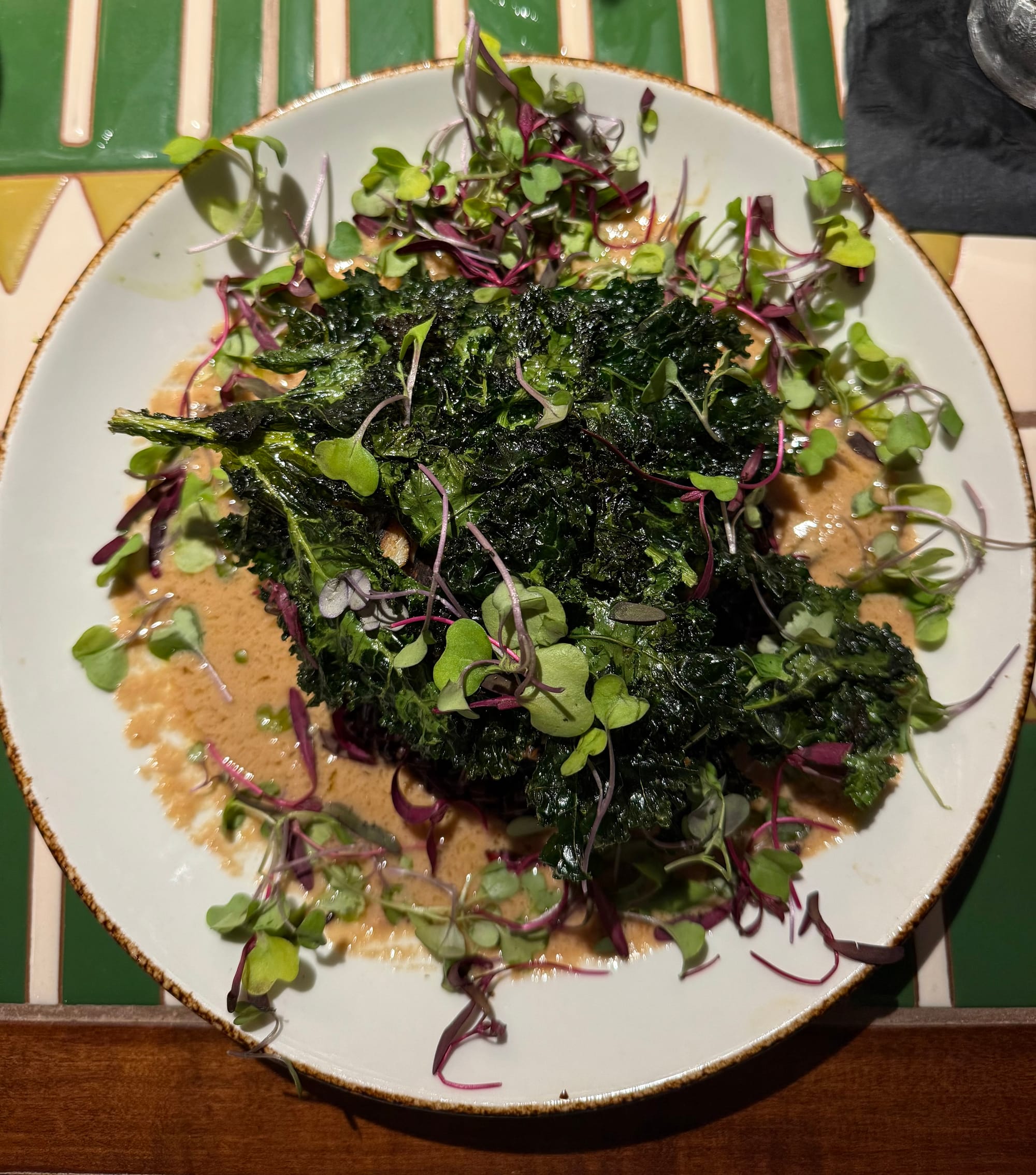
Polo Club Suya, Redbush Sidecar, Aunty Mawa's Maafe
NEXT UP: Revisiting one of Houston's Michelin-star restaurants, with a special COVID story about one of the best meals of my life