RESTAURANT REVIEW: Oheya
It's hard to pinpoint exactly when Houston's sushi obsession began, though Kata Robata's opening in 2009 is probably the genesis. However, Uchi came along in 2012, and along with MF Sushi later in the same year, really turbocharged the Japanese food craze. Since then, Tyson Cole's group opened Uchiko in Uptown in 2022, and Oheya next door to Uchi in Montrose in 2023. High on my list of places to try since then, a recent birthday dinner finally brought me to check it out.
You enter through a small courtyard across from the Montrose Collective (or through Uchi via a shared bathroom hallway if you miss the small sign on Grant Street). Oheya means "the room" in Japanese, and it is just that, a small twelve-seat counter which one might describe as a half-U shape or a curly-L shape, depending on how artistic they feel. Unlike other omakase-only establishments with only one or two seating times, here you can make reservations at multiple different times throughout the evening, so not all diners are on the same schedule. Service is friendly and the meal is well-paced, so even with numerous dishes it's not an endless dinner. There are two options, 15 course sushi-only, or a 20 course alternative that includes some hot dishes (there's also the choice to add some a la carte items if desired). I'll give you one guess which one we went with.
To start there was course zero (or course -1 if you are operating with a pre-Brāhmasphuṭasiddhānta mentality), which was a lychee shaved ice with blueberries and coconut foam to activate the palate. Honestly this could have been served as a dessert and I would have been happy; it was fruity, airy, and delicious.
The first proper course was a hirame (Korean flounder) crudo, in which the slices of fish were wrapped around small chunks of pineapple, topped with a lime zest/togarashi (Japanese spice blend) mixture, and plated on a sanbaizu broth, which is a sweet and sour dressing with lemongrass, coconut, vinegar, and chili oil. Lots of flavors coming together here, the mild fish and the tart pineapple went nicely together, and the broth was so saporous that the chef encouraged drinking the remainder after eating the crudo.
Also in the cold realm was a kanpachi sashimi. The ubiquitous Japanese amberjack was thinly sliced and finished with olive oil, fish sauce, and yuzu kosho, a condiment with yuzu zest, chili, and salt. This acidic, slightly spicy topping had a nice bright taste against the creamy texture of the fish.
There was the expected procession of nigiri, interrupted every so often by a more composed dish. I won't go into detail on every piece, as people are probably still not finished reading the marathon Maido review, but I'll elaborate on some of the highlights. Kinmedai, or golden eye snapper (destined to be among my favorites since it was clearly named after the GOAT video game), was a buttery fatty piece of fish, topped with a pine nut and pickled raisin relish and brushed with nikiri, or sweet soy sauce. Most of the nigiri here is on the simple side, letting the fish shine, so this unexpected combination of nuttiness, sweetness, and a bit of acidity was wonderful and quite welcome. There's certainly nothing wrong with textbook sushi, but I tend to lean towards the more creative and unusual offerings of places like Hidden, Neo, and TINS.
Another noteworthy piece of nigiri was the Canadian amaebi, or sweet shrimp, which I thought for sure was lobster when it was served, and in fact was almost indistinguishable from the larger crustacean with its meaty sweetness. This was infused with a prawn head chili oil, and topped with a plum paste which led to more sweet/spicy goodness. I of course knew that nigiri is meant to be eaten by hand in one bite, but I am slightly embarrassed to admit that I didn't know one should turn the piece upside down so the fish contacts the tongue first. Not sure if this is common knowledge, but hopefully you, like me, learned something by reading this (especially if the earlier reference to the history of mathematics was too esoteric).
In the back half there was the traditional tuna procession, all dry aged in this case, from the lean bluefin akami to the richer chutoro, and finally the fatty otoro. Normally I prefer the latter, as it has so much flavor, but here I thought the earlier preparations were better, with orange zest and thai chili on the akami, and wasabi and barrel aged tamari on the chutoro. All excellent though, as tuna remains the absolute pinnacle of Japanese seafood.
For the sake of completeness, I'll list the other nigiri species: kurodai (black bream), engawa (Japanese flounder), Hokkaido snow crab, New Zealand Ora king salmon, muki hotate (Hokkaido scallops), and Santa Barbara uni. Also called nigiri was grilled slab of pork belly with lemon, miso mustard, and charred negi, or green onions. This fatty hunk of heaven (no, I'm not talking about myself) was a stark contrast to the mostly leaner fish, and the Japanese mustard gave it a pungent kick which I quite enjoyed.
Now a few proper hot dishes. A grilled New Zealand king salmon had a lovely crispy skin, and was bathed in a buttermilk sauce with ramp oil, aka my favorite-named allium. While the addition of the rich, tangy buttermilk here was quite appealing, salmon is actually one of my least favorite fish when cooked. Interestingly, I did quite enjoy the raw bite noted above, so I guess there's just something about the metamorphosis of flavors when heated that isn't for me.
Probably the apogee of the evening was the tako temaki, or octopus hand roll. The Spanish cephalopod was cooked sous-vide, and packed into the crispy sheet of nori with pickled cucumbers, Thai basil, and more of that delightful yuzu kosho. Also on the plate was a puddle of white chili aioli for dipping, which was creamy and garlic-y, the perfect supplement to the temaki. I think this is the first time I've ever had a sous-vide octopus, and it predictably ended up perfectly tender and evenly cooked throughout. I might have to start requesting this method in the future, which I'm sure chefs will love.
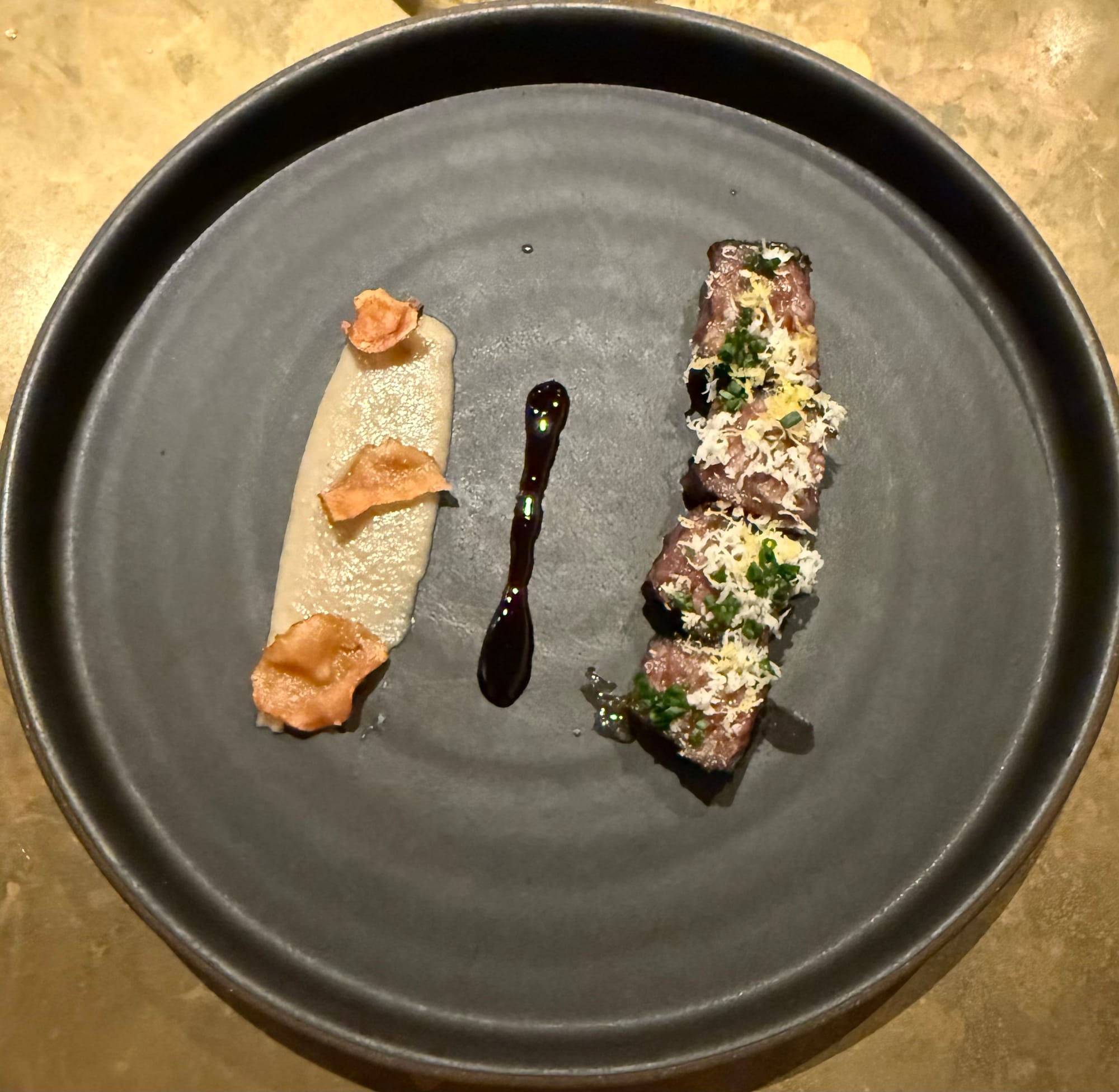
One last purely savory dish was Australian wagyu brisket, grilled and topped with shaved horseradish and sliced chives, and plated alongside a sunchoke puree (we are apolitical here so I won't use the other name), sunchoke chips, and a sweet sauce described as "crepe syrup", though I'm almost certain I misheard that. This was one of the most creative courses of the night, and the beef was spectacularly cooked. I hated to ruin the splendid presentation, but dragging the cubes of meat through the sauces created a perfect bite that lit up taste buds in all the corners of my mouth.
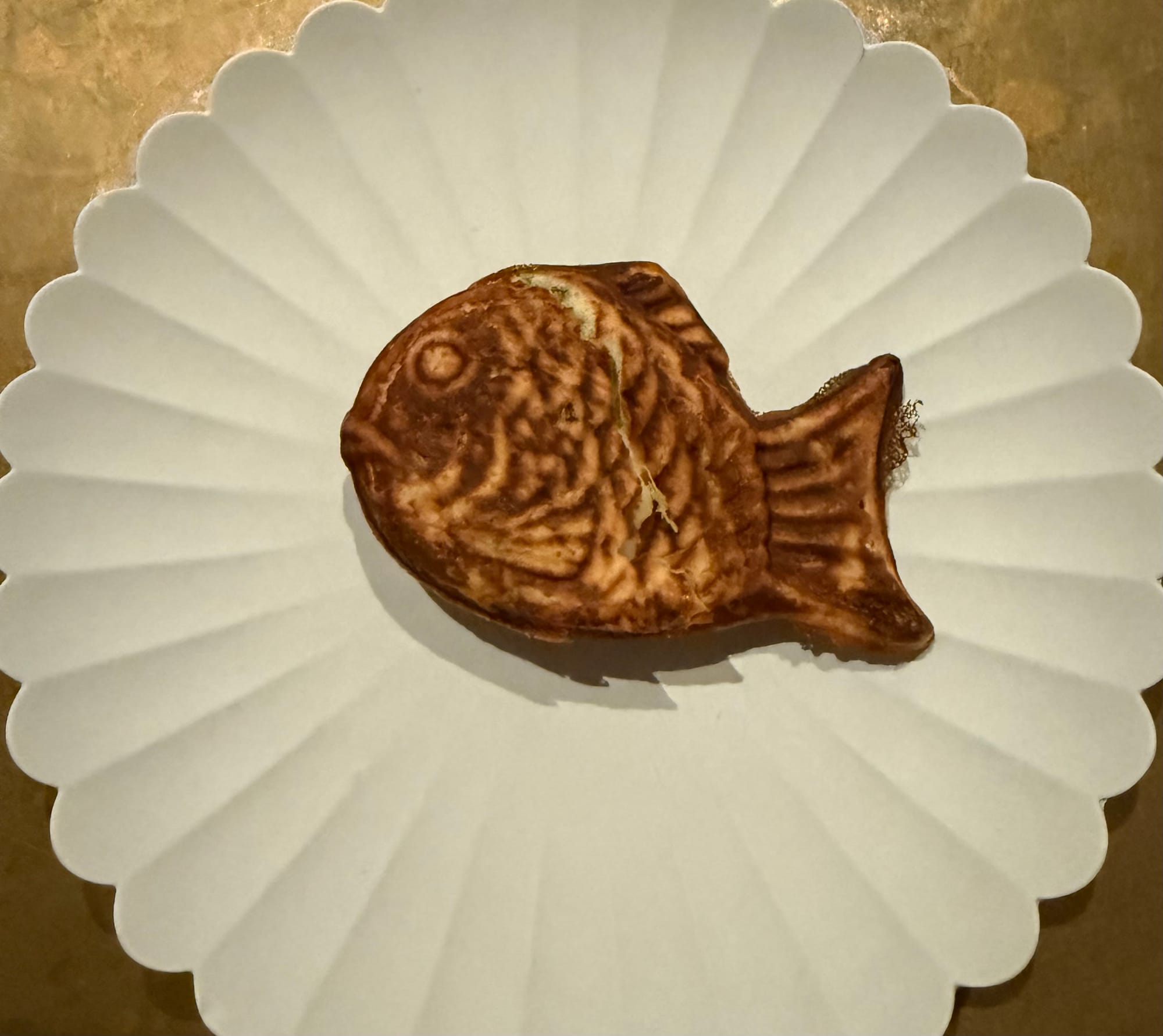
Beginning the shift to dessert was taiyaki, an adorable fish-shaped ginger scallion pancake (which apparently is not just an invention of Oheya but is actually quite popular in Japan), which concealed a mound of Siberian sturgeon caviar and horseradish crème fraiche. I didn't want to eat it because it was so cute, but the batter was cooked to a gorgeous golden-brown, a fitting vehicle for the luxurious salty roe. Side note: does anyone else picture Randy from South Park every time you hear or see the words "crème fraiche"? Or just me?
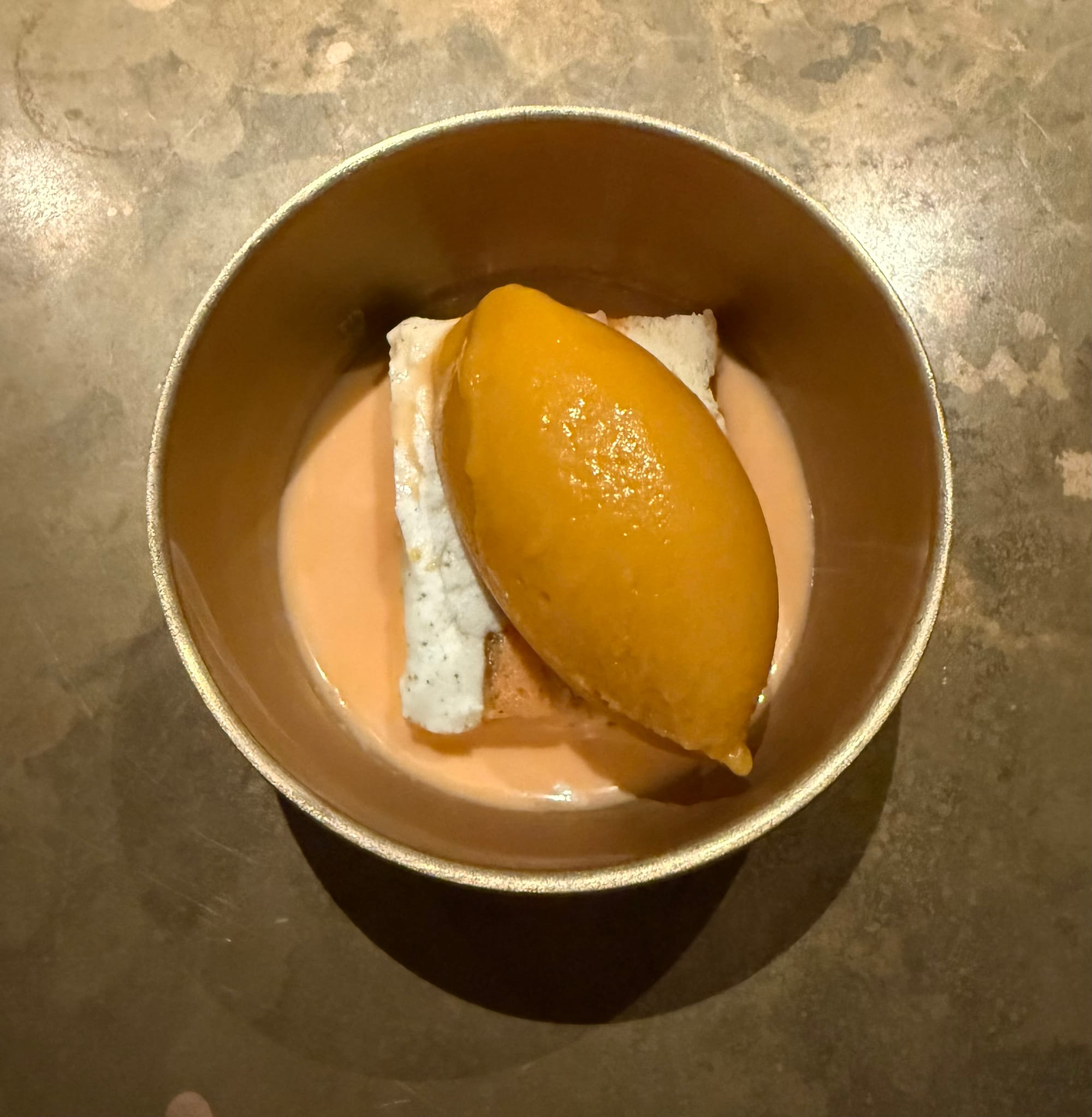
A "pre-dessert" bite was a castella cake, an eggy sponge infused with Japanese white fish, maple brown butter, and sea salt. And finally, a tres leches made with condensed thai tea and topped with tamarind ice cream. My notes were getting pretty sparse at this point, but I thought it was cool how they started transitioning to the sugary finale with courses with decreasing levels of savory and increasing sweetness. I guess you can do that when you serve 15-20 different dishes over the span of a few hours.
I had planned to do something of a state of the union on Japanese cuisine in Houston here, but this is already longer than expected and I don't want to lose any readers, so we'll save that for another day. In lieu of that...
RANKING UPDATE: Japanese/Sushi is by far the most competitive section in my Houston Restaurant Guide, but Oheya comfortably earns a spot in the top 10, debuting at #8 (sorry, Norigami).
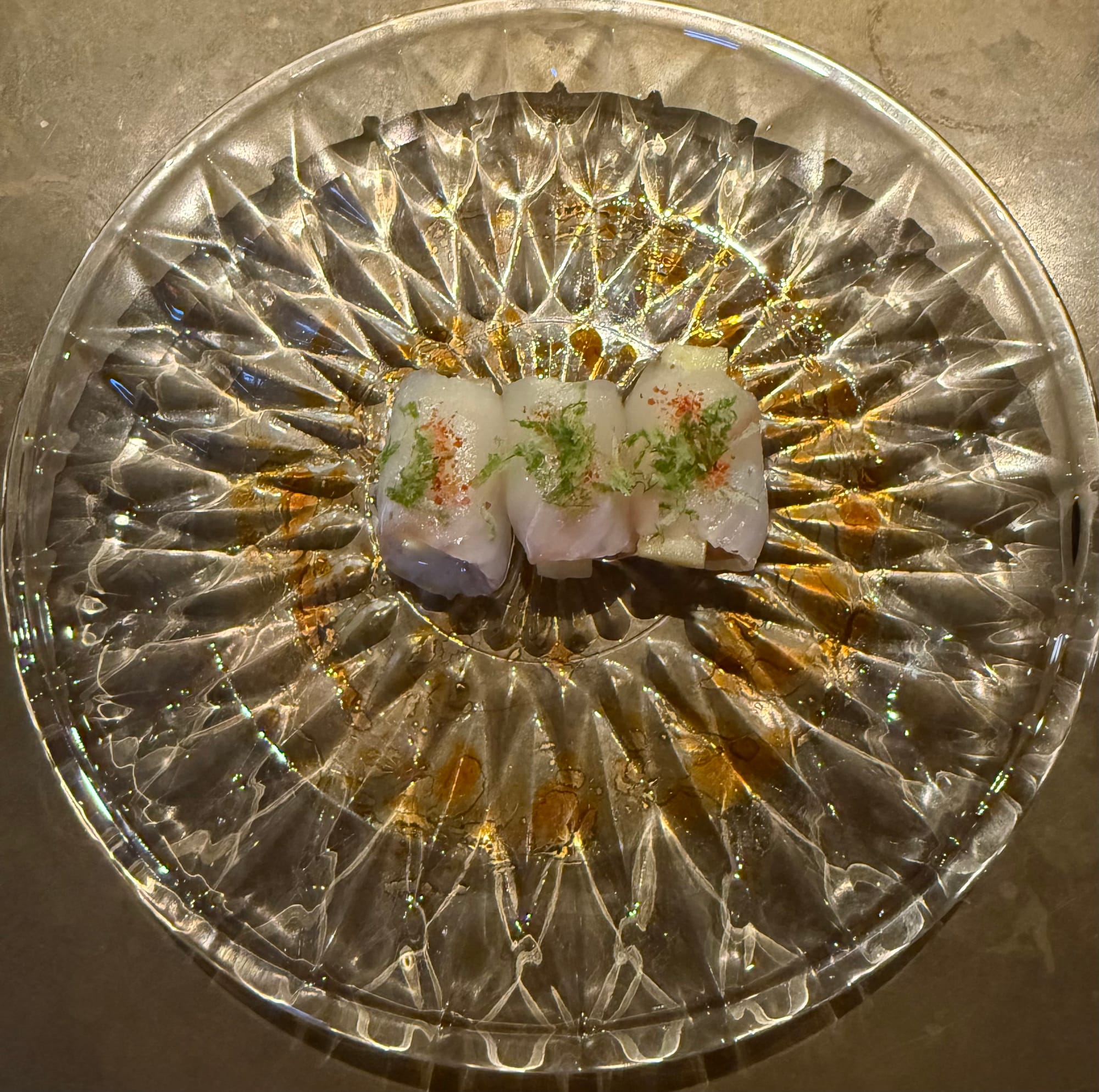
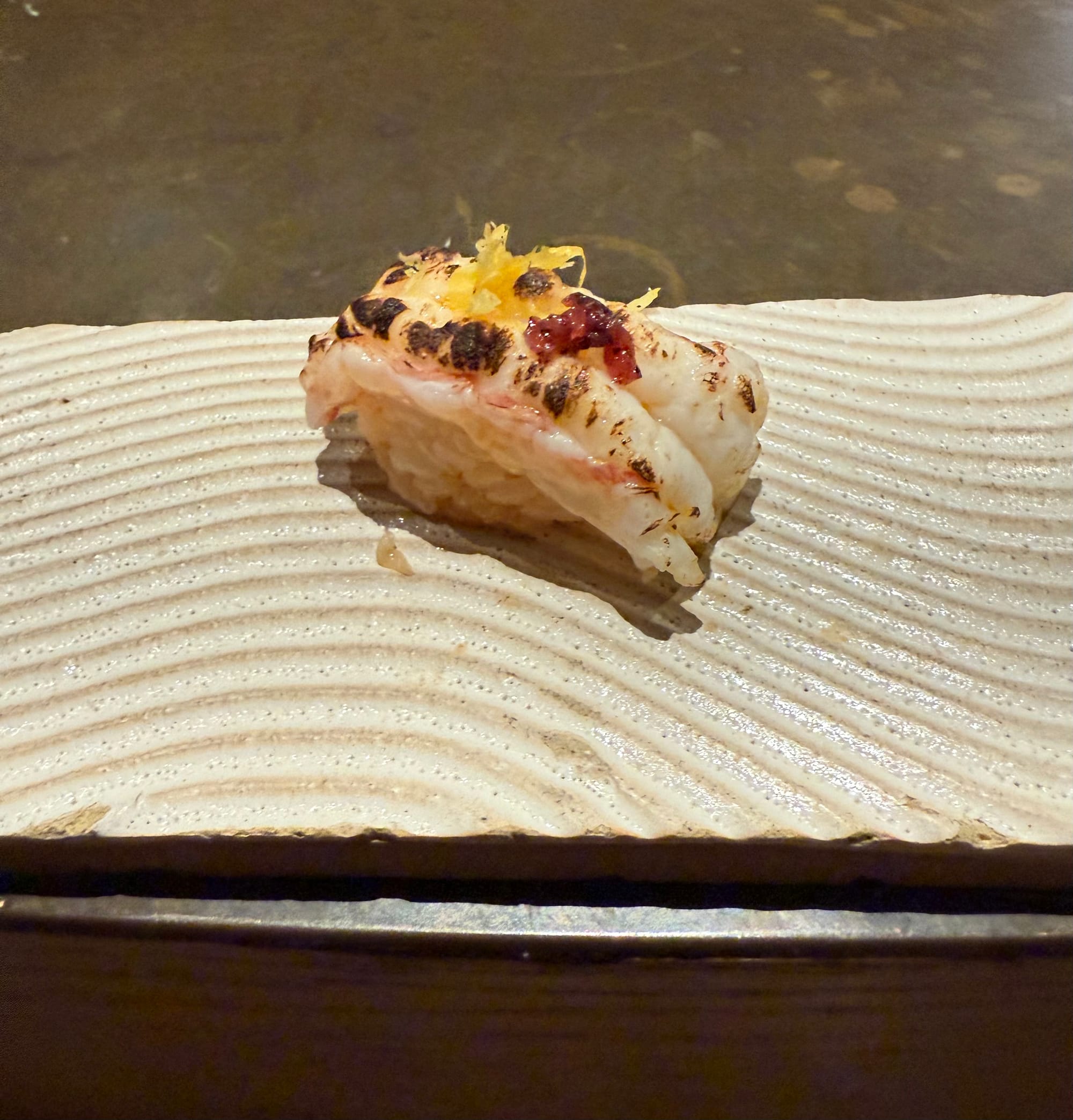
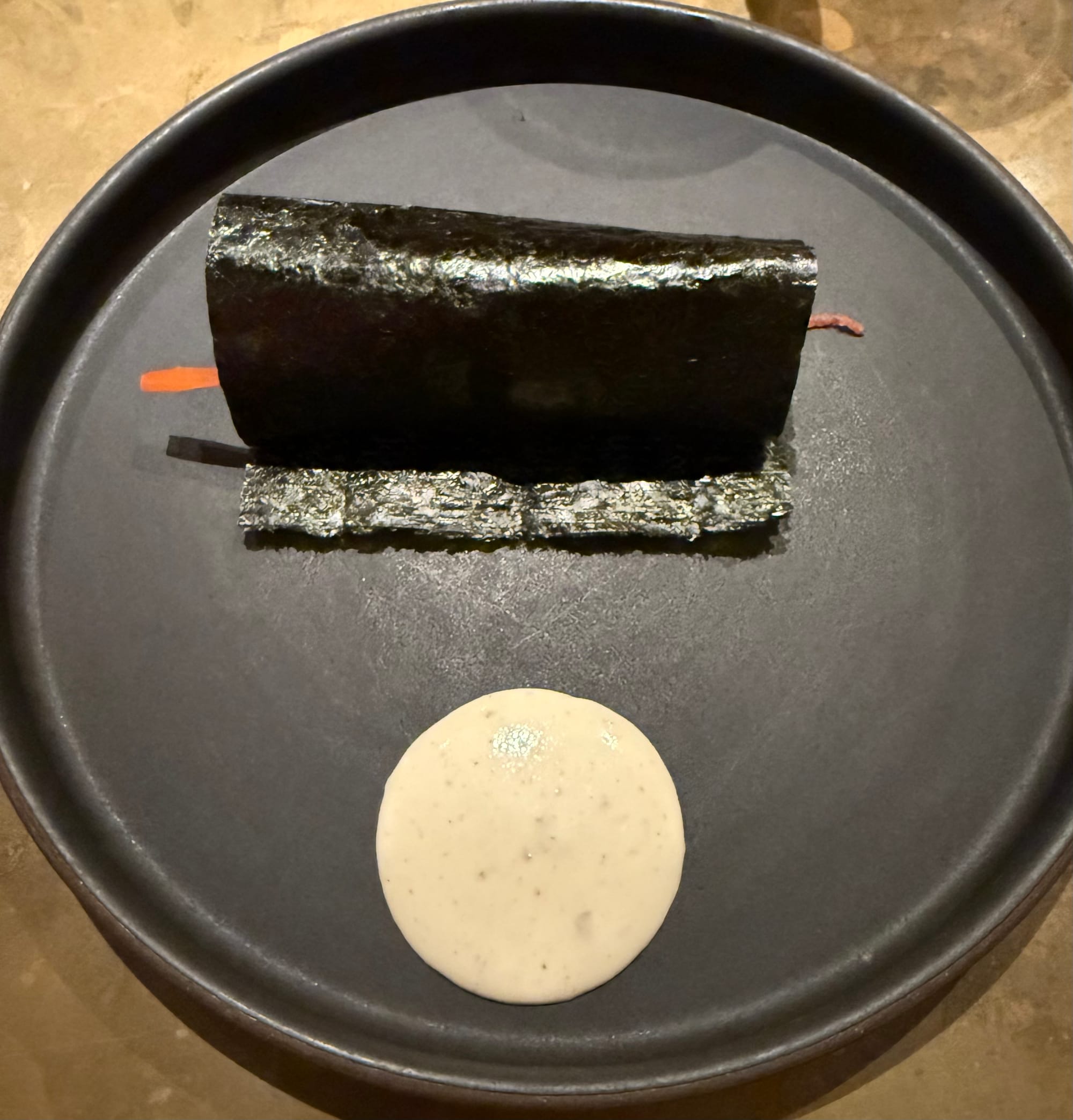
A selection of dishes at Oheya
NEXT UP: One of Bon Appetit's 20 Best New Restaurants of 2025, and hopefully a much-needed update to my Best French Restaurants section.